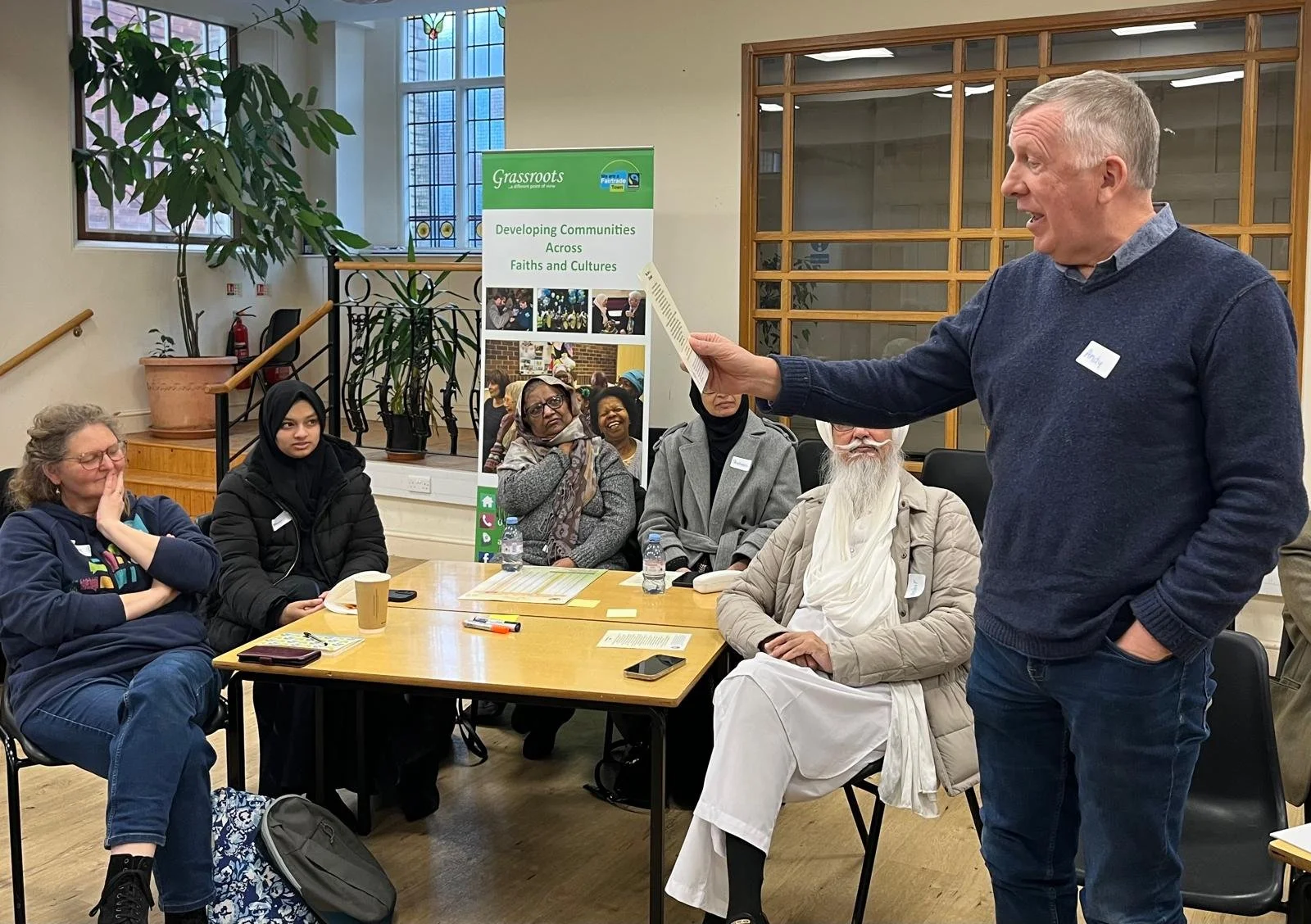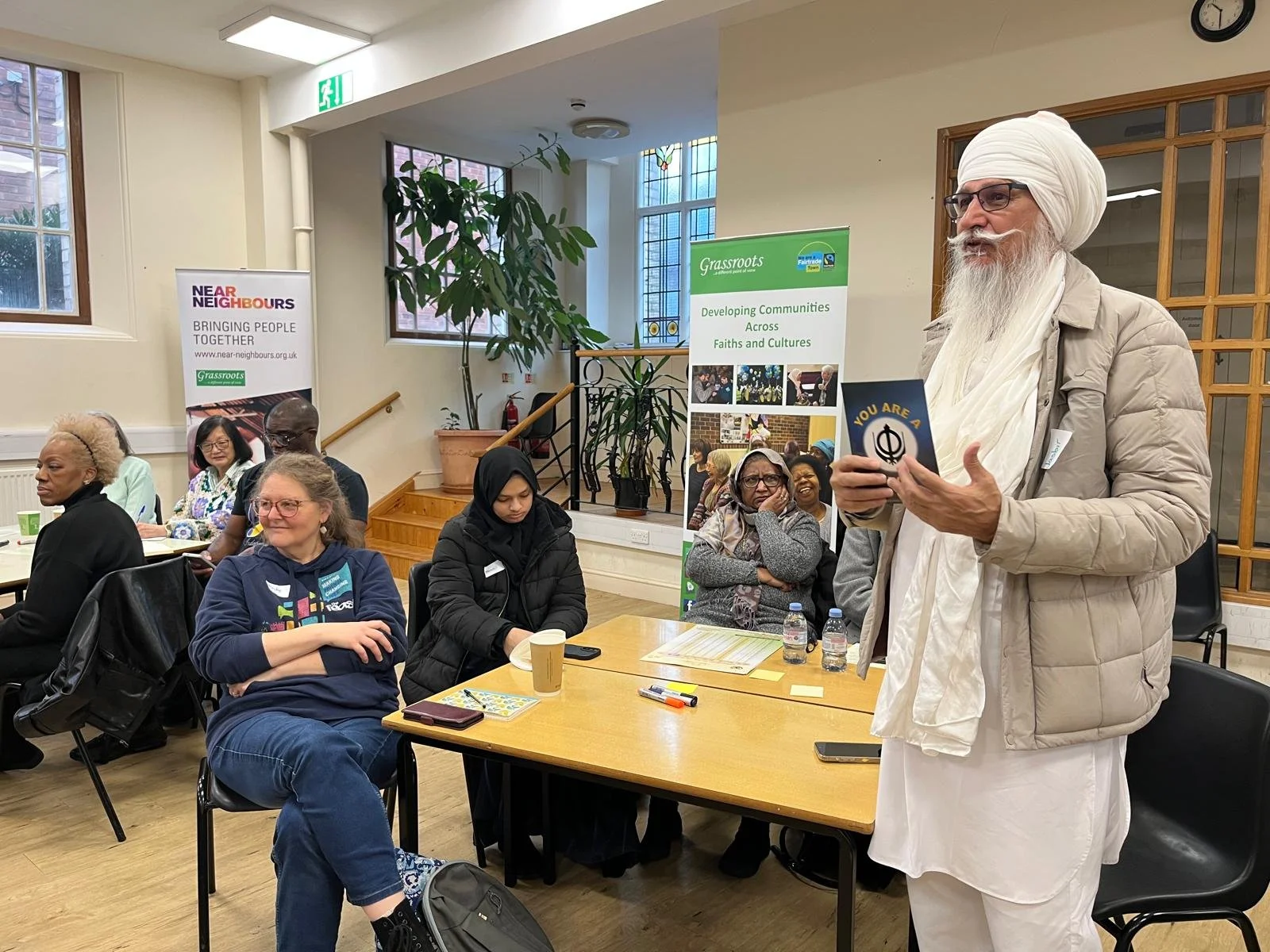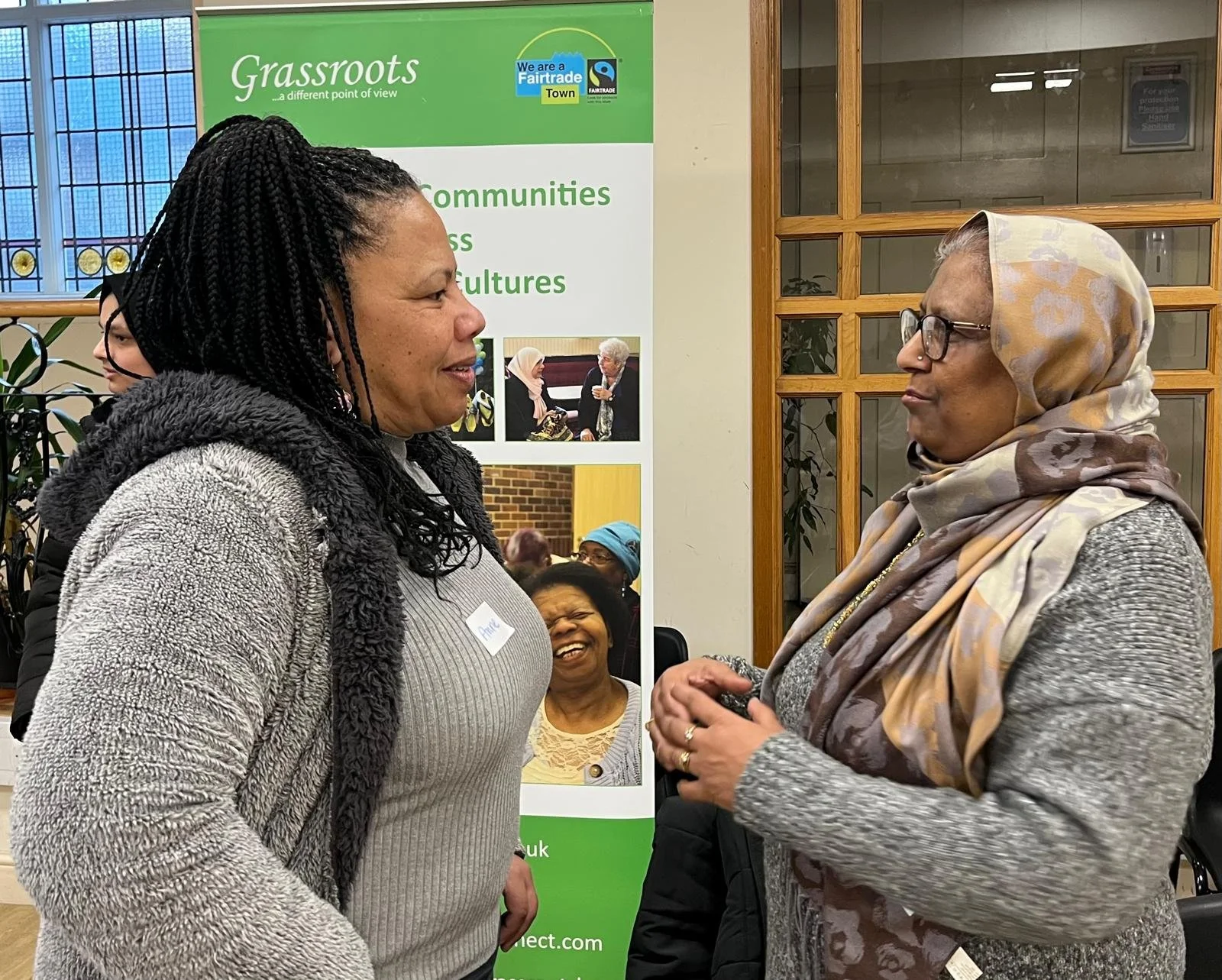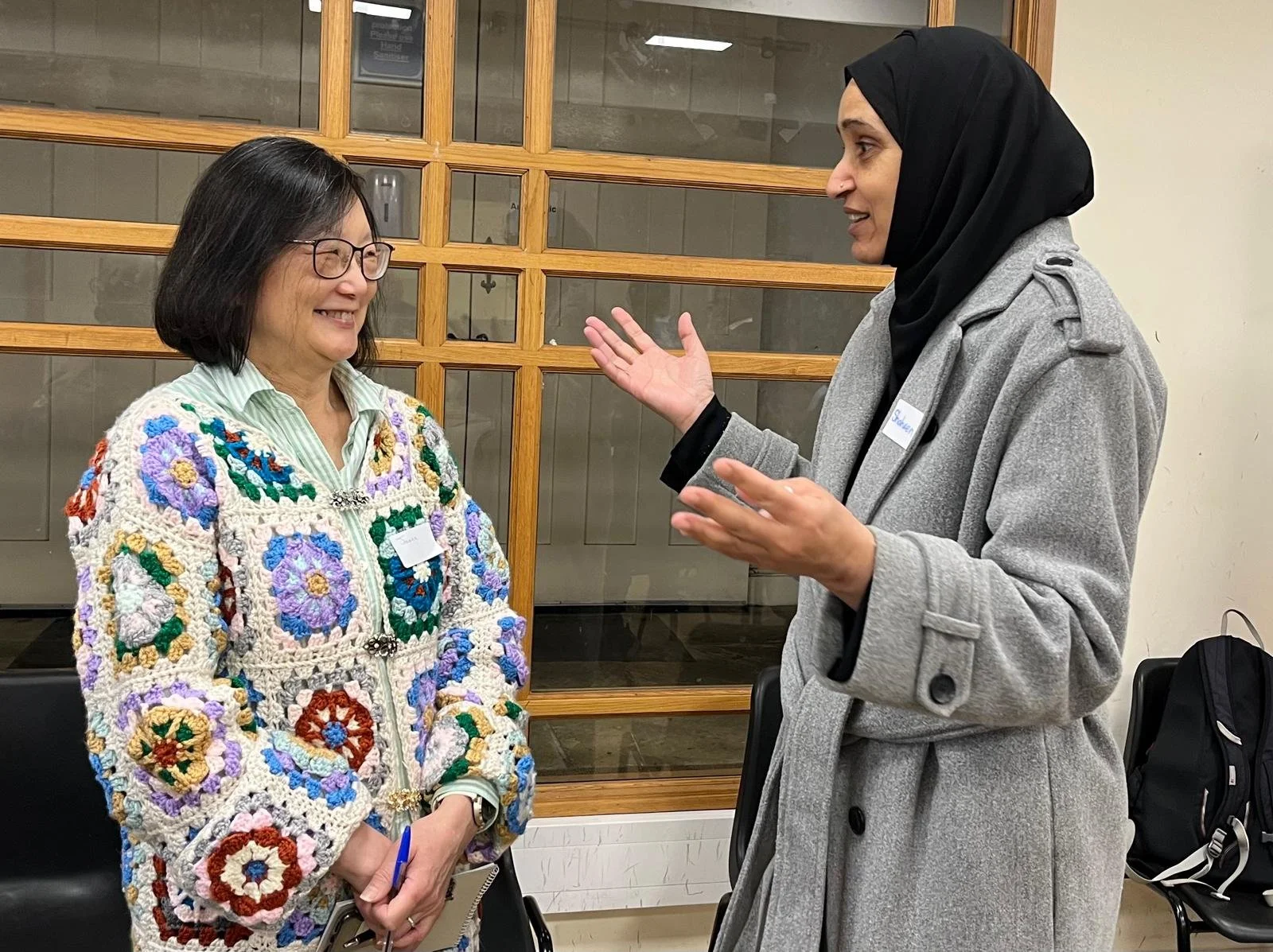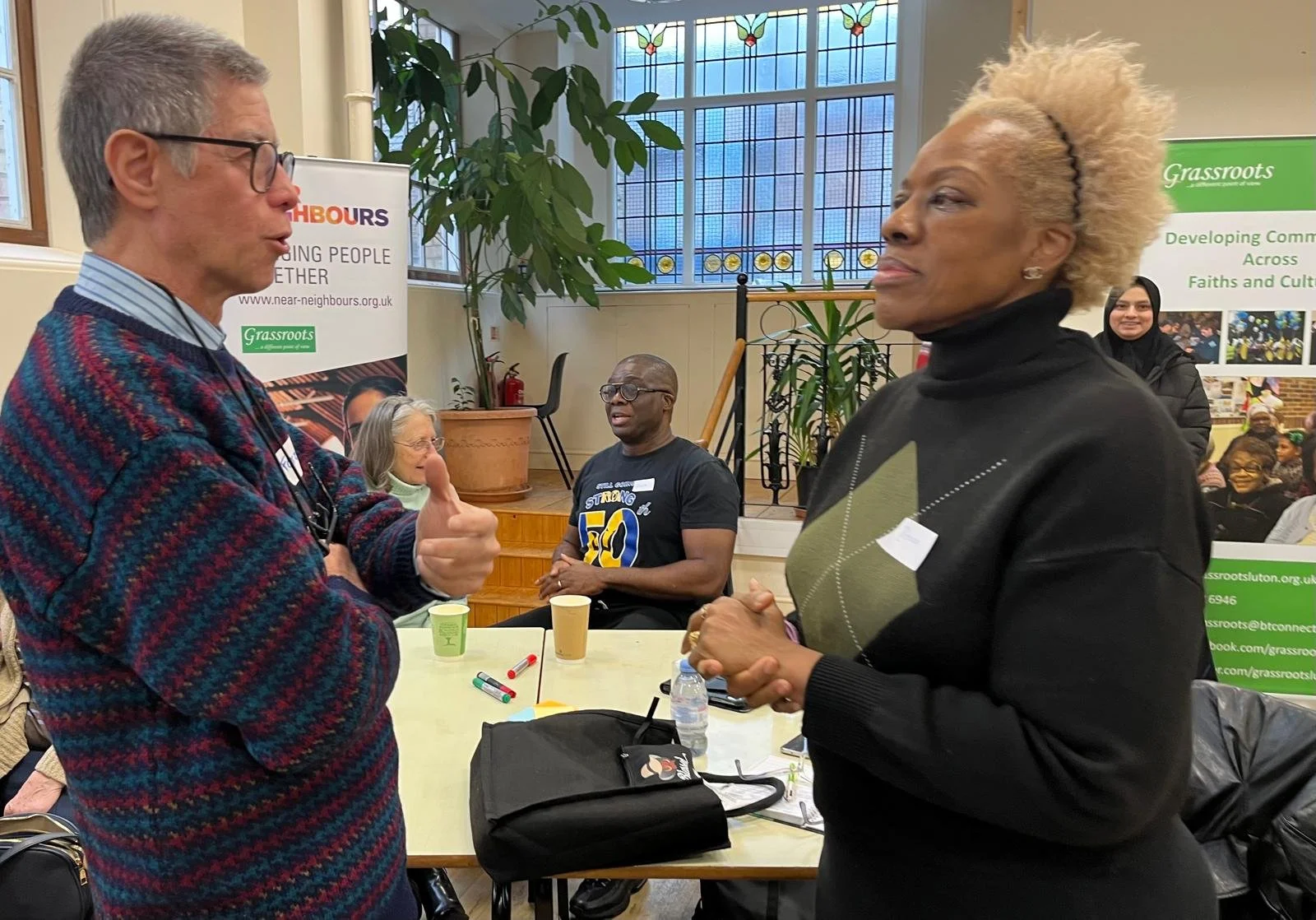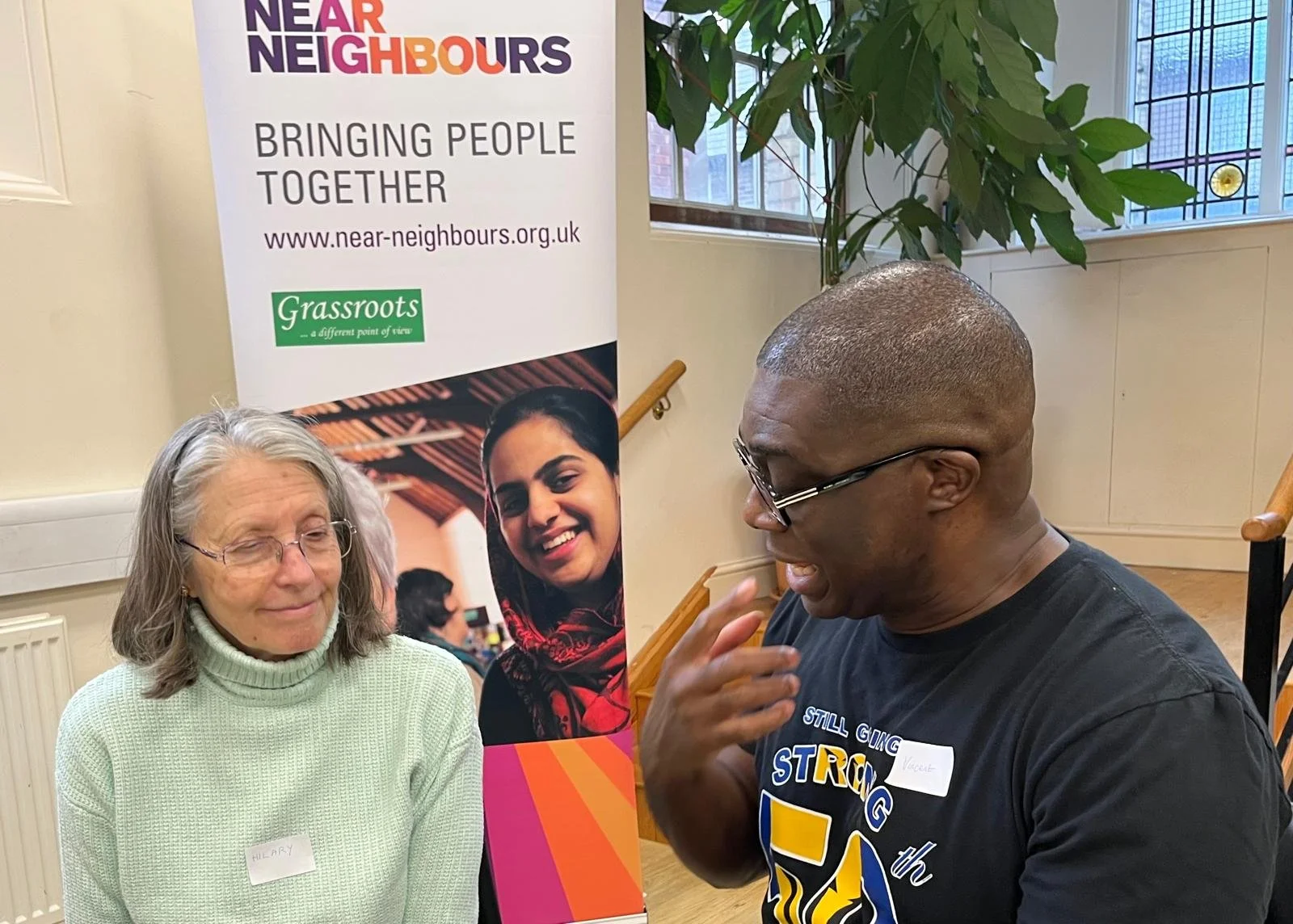
As Luton Council of Faiths (LCoF) celebrates it's 30th anniversary, it started this year with the Kite Mark Training from UK’s RE (Religious Education) Hub for over 30 faith leaders from across Hindu, Buddhist, Jewish, Christian, Muslim, Sikh, Bahá'í faiths in Luton. The training is about how religious groups, faith representatives, and visitors can support religious education (RE) in schools effectively, safely, and in line with UK educational expectations.
Ryad Khodabocus, Head of LCoF said, “In the current UK climate of heightened social and religious sensitivities, it is about learning best practice for hosting visitors and visiting schools, avoiding unintended misunderstandings and safeguarding communities. Our faith traditions are gifts to humanity as they produce compassion, wisdom and service. When children meet religion, they should encounter mercy, dignity, and hope - not fear or division.”
The Training Session explored Legal Framework of RE in England, purpose and nature of RE, why visitors and places of worship matter, working with children & developmental issues e.g. how schools operate and what faith visitors must understand, safeguarding & safety during visits, and how faith groups can offer support beyond visits.
The Trainer, Claire Clinton, England & Wales – Lead Director RE Hub UK, explained that faith visitors should share, not persuade, avoid negative comparisons with other religions, avoid generalisations, speak from their own traditions and practices acknowledging diversity within their religions, keep presentations short, allow plenty of time for questions and interactive elements, and redirect a discussion, if necessary.
Prof Zafar Khan, LCoF Chair said, “The overall aim is to ensure that our inter-faith encounters are appropriate and relevant in a British cultural context, and that we speak about different faiths with integrity and respect using an inclusive language, avoiding the language that may unintentionally come across as judgmental and coercive to sectarian views. This training and our guidelines produced will help us celebrate a healthy pride in being British and English, recognising that national identity, civic belonging, and cultural heritage can coexist with openness, pluralism, and shared values, while we must continue to firmly reject the scapegoating of minority ethnic or faith communities as a response to social or economic anxiety.”
We are grateful to Near Neighbours Programme for supporting this training, and thanks to our partners, Grassroots & Feast for assistance.
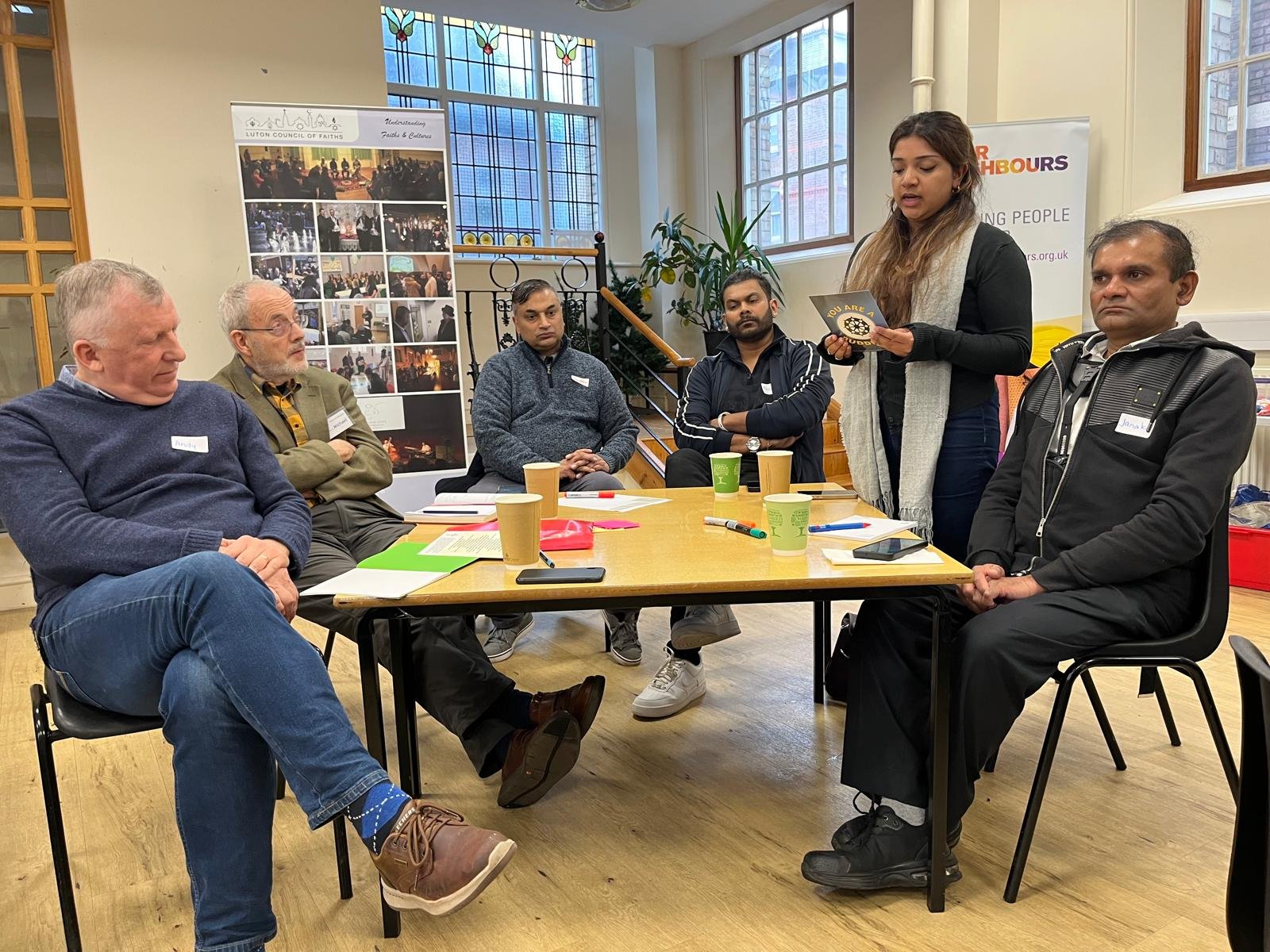
Luton faith representatives attending the Kite Mark Training by the UK’s RE Hub, delivered by LCoF and supported by Near Neighbours.