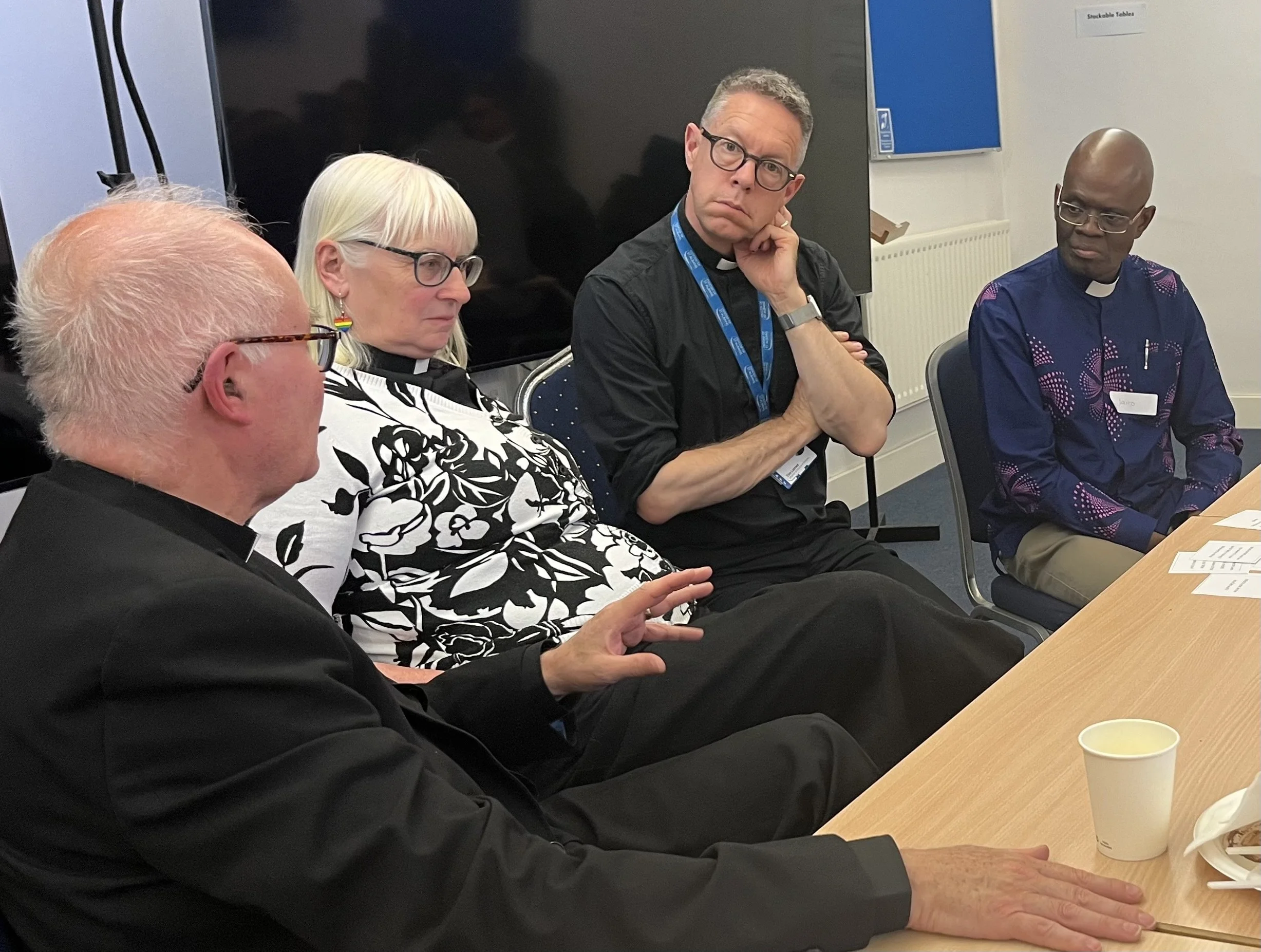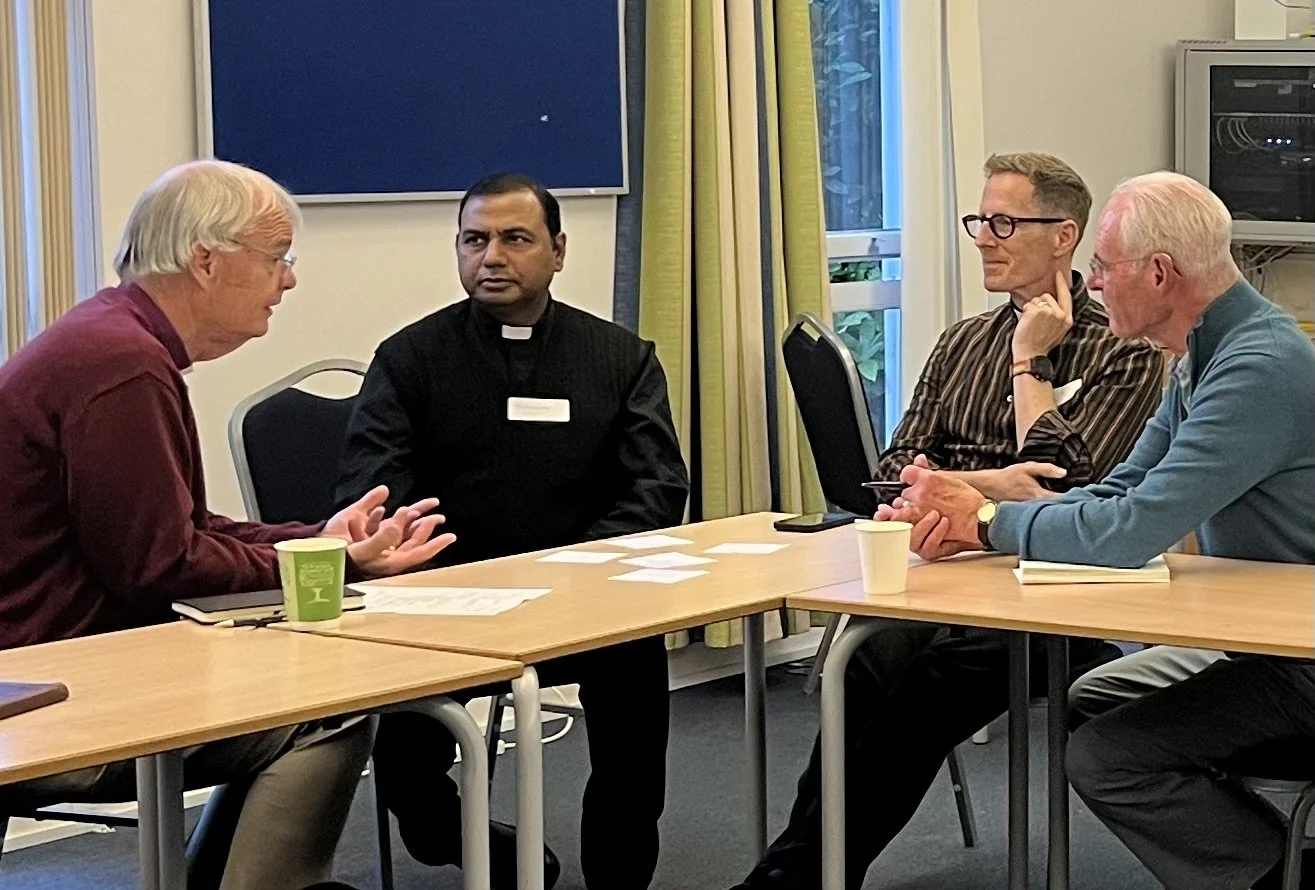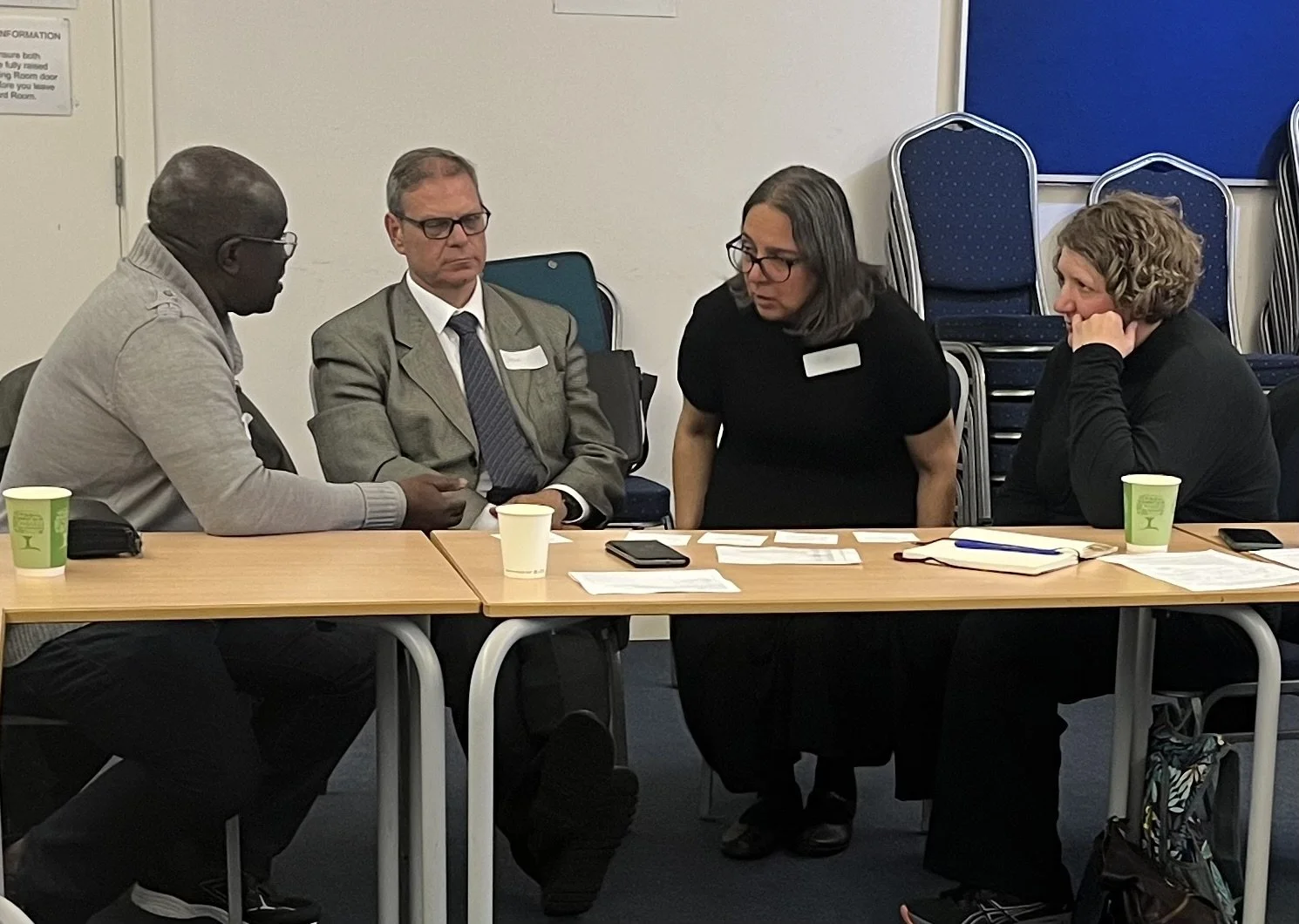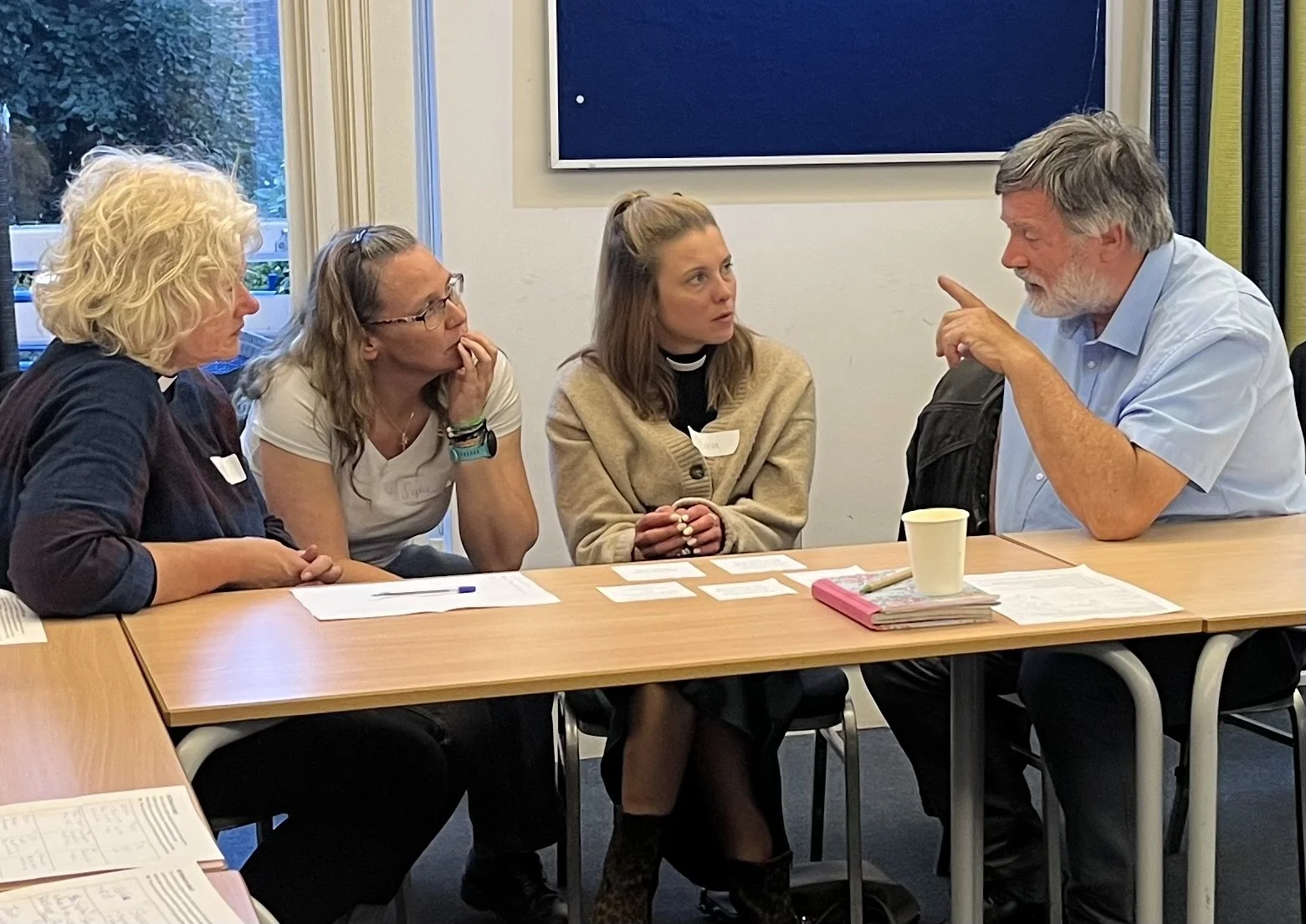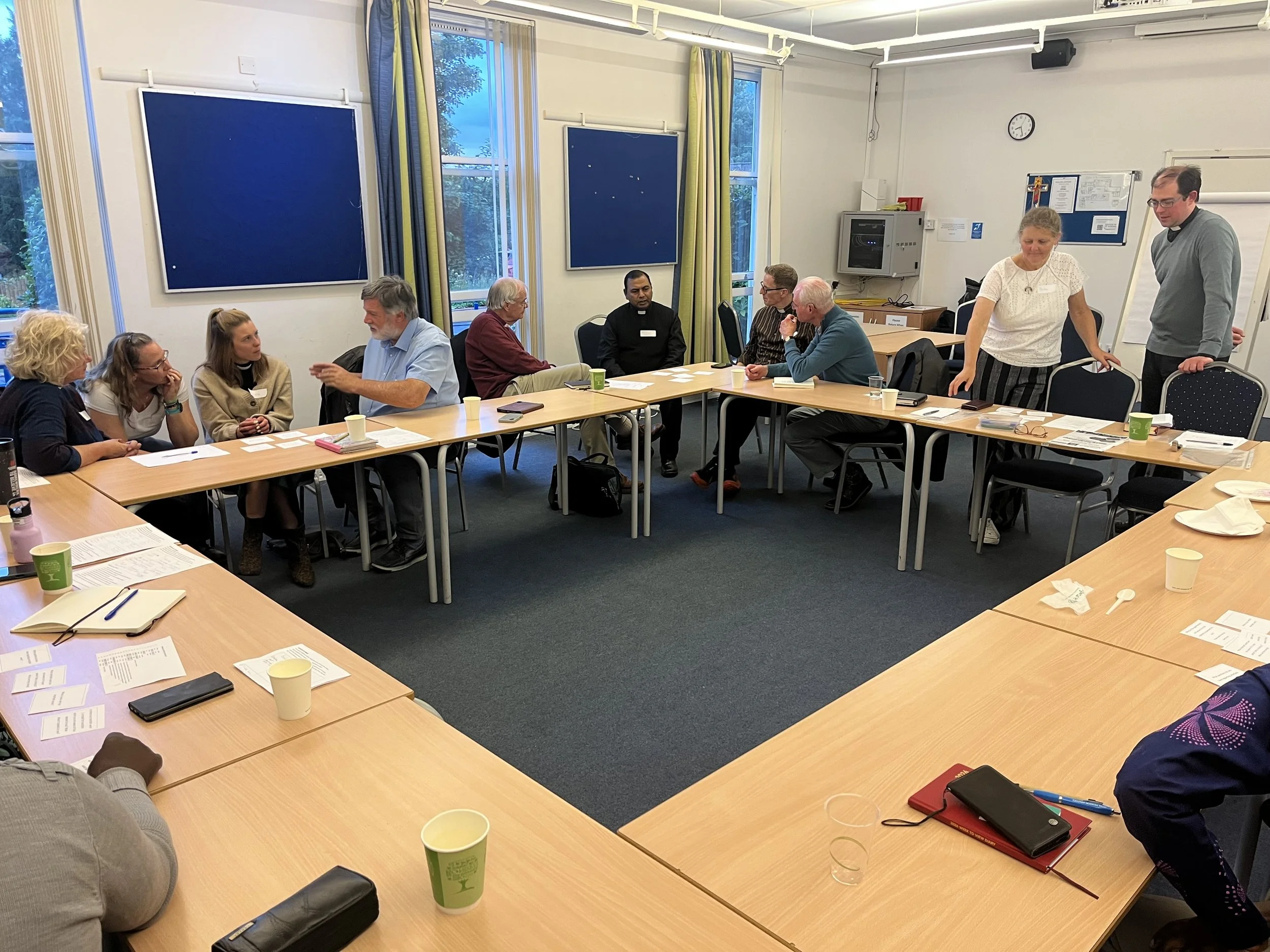
The C of E St Albans Diocesan Inter-faith Network of clergy, and lay leaders, gathered recently at Holywell Lodge in St Albans, for an evening of reflection, conversation, and shared learning.
Revd Canon Dr Tim Lomax, Director of Mission and Ministry welcomed all and highlighted the importance of connecting, exchanging experiences, and exploring how we can better engage with those of different faiths & beliefs across the Diocese in the times of increased hostility and division.
Bishop Richard Atkinson invited participants to reflect on the question, “Who is my neighbour?” and how this applies both locally and globally, reminding that in a world shaped by faith, peaceful coexistence requires more than dialogue that calls for understanding, cooperation, and commitment.
Revd Dr Alec Corio, Diocesan Inter Faith Advisor, outlined the Church of England’s growing focus on inter-faith engagement at both national and diocesan levels. He highlighted efforts to promote a more inclusive vision of neighbourliness, particularly in response to divisive narratives in public discourse. National Conversations on community cohesion and academic work on reconciliation, are helping shape a more constructive approach. He shared that locally, the Diocese is working towards a clearer inter-faith strategy, with increased support, training, and opportunities for sharing good practice.
As participants introduced themselves, a rich picture emerged of the diverse urban & rural contexts, schools, and chaplaincies across the St Albans diocese.
The Feast Youth Project Manager in Luton, Ulrike Hunt, also Diocesan Inter Faith Advisor, facilitated group discussions in which a number of challenges were identified including global conflicts and negative media narratives impacting local relationships, and uncertainty or fear about diluting our beliefs if engaging with different faiths.
She emphasised that relationships are at the heart of effective inter-faith engagement. Trust takes time to build, but we can take the first steps by visiting one another’s places of worship, sharing food during festivals, and creating opportunities to meet.
She advocated for honest and meaningful dialogue spaces where people can speak openly, listen carefully, and disagree respectfully, without feeling pressure to compromise our beliefs. Inter-faith engagement should strengthen rather than weaken our faith identities.
Working together on shared concerns emerged as another key theme in the discussions. Whether through foodbanks, or community wellbeing projects, collaboration on practical issues can unite people across faiths and strengthen community bonds.
As the meeting closed, faith leaders expressed a shared commitment to ongoing collaboration and mutual support. Looking ahead, the Diocesan Interfaith Week event at St Albans Cathedral on 16th November 2026 will provide another opportunity to build on this momentum, focusing on the stories of hope and how communities can be held together in uncertain times.
The C of E St Albans Diocesan Inter-faith Network is growing and is hospitable. To join, or for any further info, please email jgrassroots@btconnect.com
Also read:
https://www.oikoumene.org/news/what-does-fraternity-mean-to-you-interreligious-leaders-reflect