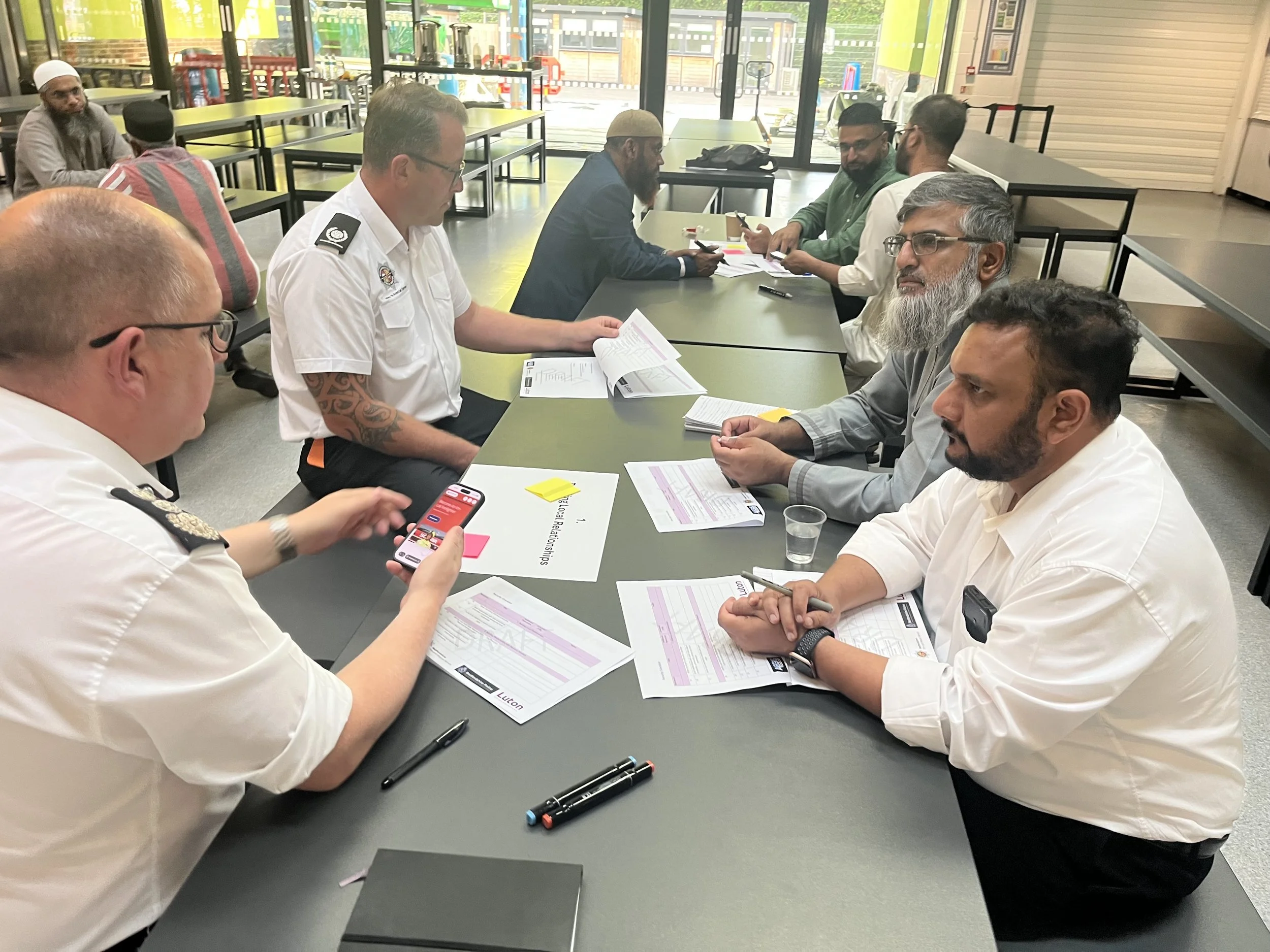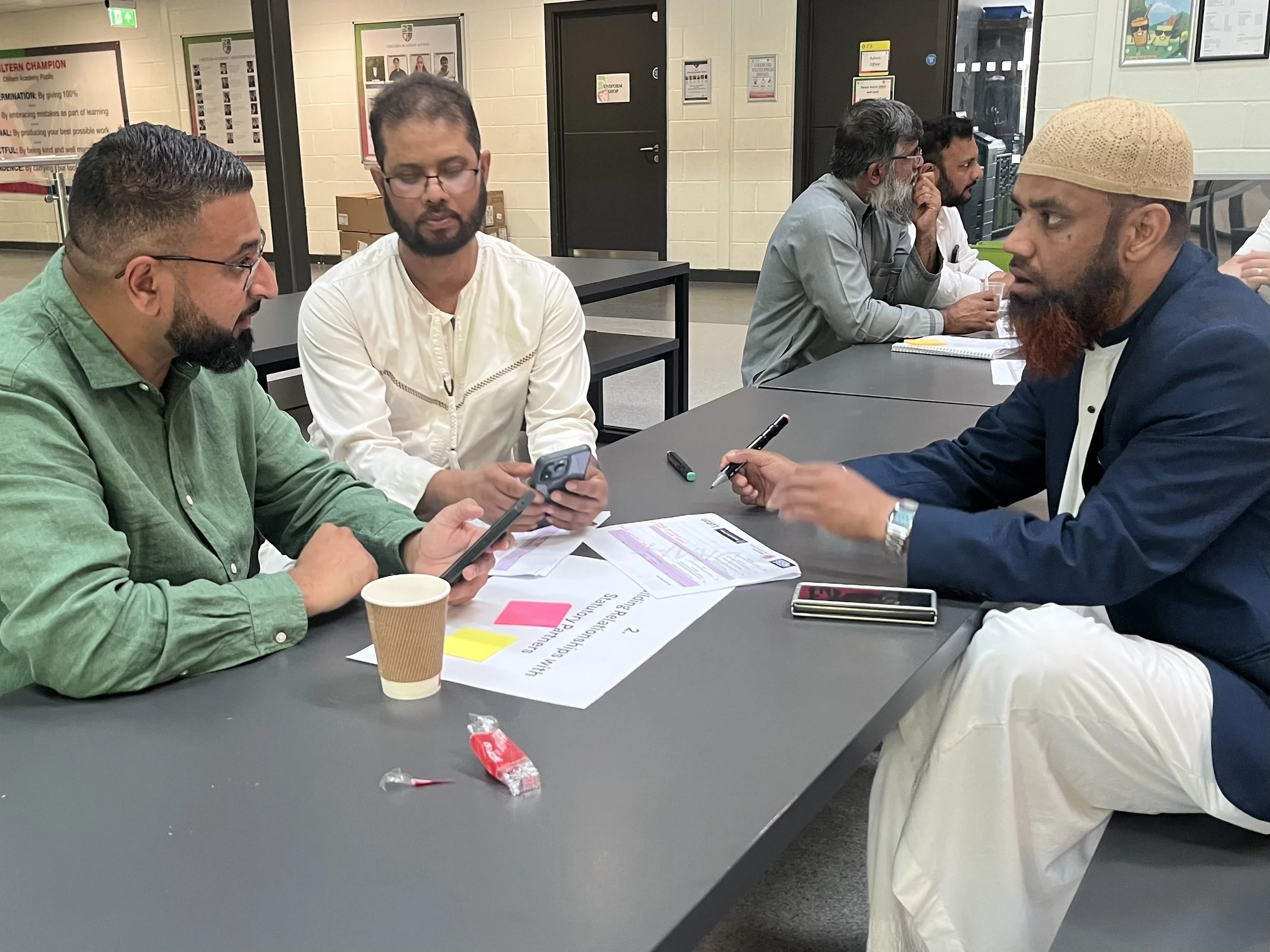
LUTON, 4th Aug 2026 – Faith leaders, community representatives, local authorities, emergency services, and security specialists came together for a landmark Faith Settings Security Guidance Workshop, aimed at enhancing preparedness, resilience, and community safety across places of worship in Luton.
The workshop, convened by Luton Council in partnership with Bedfordshire Police, Bedfordshire Fire and Rescue Service, the Luton Council of Mosques (LCoM), the Luton Council of Faiths (LCoF), and Luton-based AEGIS Security, focused on practical measures faith organisations can take to strengthen security, improve emergency preparedness, and build stronger local partnerships.
Opening the event, organisers highlighted the increasing national concern around threats to faith communities and places of worship. While local intelligence indicates no specific or immediate threat to faith institutions in Luton, partners emphasised the importance of preparedness in an environment where risks can emerge unexpectedly and affect any faith community.
Participants were reminded that mosques, churches, synagogues, temples, gurdwaras, and other faith settings all play a vital role in community life and deserve support in maintaining safe and welcoming environments.
The workshop introduced a new draft security guidance resource developed through collaboration between local partners and informed by national best practice. The guidance draws on recommendations from government sources, faith organisations, police, fire and rescue services, and community safety experts.
A key theme throughout the event was the importance of partnership working. Faith leaders were encouraged to strengthen connections with local councillors, neighbourhood policing teams, community organisations, and fellow faith institutions to ensure a coordinated approach to safety and resilience.
Representatives from Bedfordshire Fire and Rescue Service emphasised that resilience extends beyond places of worship themselves. Communities face a range of risks, from severe weather and power outages to fire incidents and public safety threats. Building local resilience, they noted, helps communities respond more effectively to any challenge and strengthens community cohesion.
The workshop also explored practical preparedness measures, including:
Identifying dedicated safety leads and deputy safety leads within faith settings.
Developing clear emergency procedures.
Strengthening relationships with local emergency services.
Reviewing building security, CCTV, lighting, and access arrangements.
Considering the safety needs of women-only spaces and vulnerable groups.
Understanding "Hold and Secure" and “Lockdown” procedures.
Enhancing communication during emergencies.
Creating tailored risk assessments for individual premises and events.
AEGIS Security shared its experience supporting places of worship across the region, highlighting the value of security measures delivered by professionals who understand local communities and the unique needs of different faith settings.
Participants took part in group discussions and feedback sessions, helping to shape the guidance and identify areas for further support. Suggestions included developing clearer role descriptions for safety leads, creating specialist training opportunities, providing site-specific security assessments, and improving information sharing between faith organisations and emergency services.
The workshop concluded with a commitment from partners to refine the guidance based on feedback received and to launch a programme of ongoing engagement, training, and site visits for faith institutions across Luton.
Speaking at the close of the event, faith leaders welcomed the initiative as an important step in ensuring places of worship are prepared, connected, and supported.
They noted that effective preparation is most valuable before an incident occurs and stressed the shared responsibility of protecting congregations and communities. Participants also praised Luton’s tradition of partnership working and community cohesion, describing the workshop as a practical example of local organisations coming together to address emerging challenges and deliver meaningful action.
The revised guidance and future training opportunities will be shared with faith organisations in the coming months as partners continue to work together to strengthen safety, preparedness, and resilience across Luton's diverse faith communities.
Speaking at the event, local faith leader Sujel Miah said: “The time to prepare is when you do not need it. Our faith communities play a vital role in the life of Luton, and it is our responsibility to ensure they have the tools, knowledge and support needed to keep people safe. This is the beginning of an ongoing partnership, not a one-off conversation.”
Another faith leader praised the collaborative approach, saying: “This workshop has brought together experience, expertise and practical action. By working together and sharing knowledge, we can better protect our congregations and ensure our places of worship remain safe and welcoming for everyone.”